# Automatic Weather Station: Definition and Functionality
An Automatic Weather Station (AWS) is a sophisticated system designed to collect and record meteorological data without the need for constant human intervention. These stations are widely used in various fields, including agriculture, aviation, environmental monitoring, and research, to provide accurate and real-time weather information.
## What is an Automatic Weather Station?
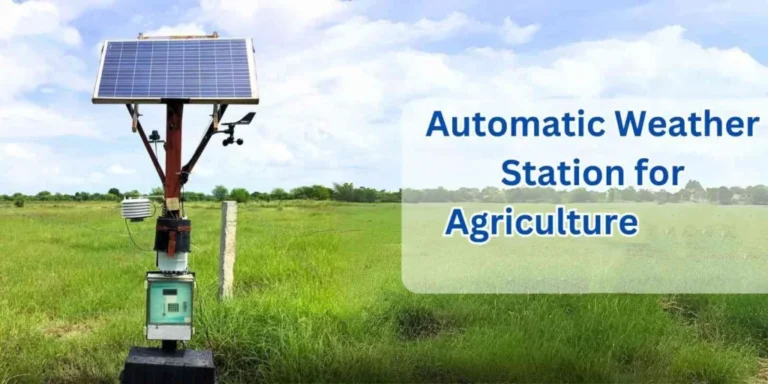
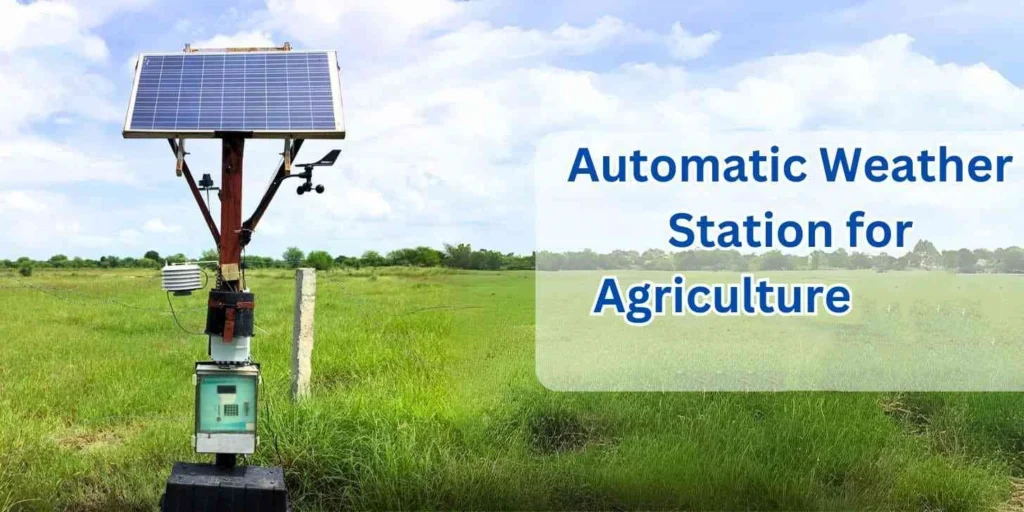
An Automatic Weather Station is a collection of sensors and instruments that measure atmospheric conditions such as temperature, humidity, wind speed, wind direction, rainfall, and barometric pressure. These sensors are connected to a data logger, which records the measurements at regular intervals. The data can then be transmitted to a central database or accessed remotely via the internet or other communication methods.
## Components of an Automatic Weather Station
An AWS typically consists of several key components:
– Sensors: These are the primary instruments that measure various weather parameters. Common sensors include thermometers for temperature, hygrometers for humidity, anemometers for wind speed, wind vanes for wind direction, rain gauges for precipitation, and barometers for atmospheric pressure.
– Data Logger: This device records the data collected by the sensors. It can store data internally or transmit it to a remote location.
– Power Supply: AWS units are often powered by solar panels, batteries, or a combination of both to ensure continuous operation, especially in remote locations.
– Communication System: This system allows the AWS to transmit data to a central server or other devices. Common communication methods include cellular networks, satellite links, and radio frequencies.
– Mounting Structure: The sensors and other components are mounted on a sturdy structure, often a tower or mast, to ensure accurate measurements and protect the equipment from environmental damage.
## Functionality of an Automatic Weather Station
The primary function of an Automatic Weather Station is to provide accurate and timely weather data. Here are some of the key functionalities:
– Data Collection: The AWS continuously collects data from its sensors, recording measurements at predefined intervals, which can range from seconds to hours.
– Data Transmission: The collected data is transmitted to a central database or directly to users via various communication methods. This allows for real-time monitoring and analysis.
– Data Storage: The data logger stores the collected data, ensuring that it is available for future analysis. Some AWS units also have the capability to store data locally in case of communication failures.
– Remote Access: Users can access the data remotely through web interfaces, mobile apps, or other software platforms. This is particularly useful for researchers and professionals who need to monitor weather conditions from different locations.
– Alerts and Notifications: Many AWS systems are equipped with alert mechanisms that notify users of significant changes in weather conditions, such as sudden temperature drops, heavy rainfall, or high wind speeds.
## Applications of Automatic Weather Stations
Automatic Weather Stations are used in a variety of applications:
– Agriculture: Farmers use AWS data to make informed decisions about planting, irrigation, and harvesting. Accurate weather information helps optimize crop yields and reduce the risk of weather-related losses.
– Aviation: Airports and aviation authorities rely on AWS data to ensure safe takeoffs and landings. Real-time weather information is crucial for flight planning and air traffic control.
– Environmental Monitoring: AWS units are deployed in remote and sensitive environments to monitor climate change, track pollution levels, and study ecosystems.
– Research: Scientists use AWS data to study weather patterns, climate trends, and the impact of human activities on the environment. This data is essential for developing accurate climate models and predicting future weather conditions.
– Disaster Management: AWS data is used to predict and monitor natural disasters such as hurricanes, floods, and wildfires. Early warning systems based on AWS data can save lives and reduce property damage.
## Conclusion
Automatic Weather Stations play a crucial role in modern meteorology and environmental monitoring. By providing accurate and real-time weather data, they help various industries and researchers make informed decisions, optimize operations, and mitigate risks. As technology continues to advance, the capabilities and applications of
Keyword: what is automatic weather station